Lepcha Heritage Home

Category

Food & Culture

22 articles

Continuing the Conversation: How Lepcha Dream Traditions Rethink What It Means to Mourn

Continuing the Conversation: How Lepcha Dream Traditions Rethink What It Means to Mourn

In Lepcha communities of the eastern Himalayas, a dream visitation from a departed elder is not dismissed as a trick of neurons—it is received as correspondence. This article examines how that framework reframes mourning as an evolving relationship, and why American grief culture's fixation on 'closure' may be asking the wrong question.

No Screens, No Equipment, No Problem: Recess Lessons From the Himalayas

No Screens, No Equipment, No Problem: Recess Lessons From the Himalayas

Traditional Lepcha children's games — stone-throwing contests, riddle circles, storytelling chases — run on imagination, terrain, and teamwork rather than gear or apps. As American educators rethink recess, these Himalayan pastimes map neatly onto what developmental science says children actually need.

To Be Truly Known: The Lepcha Art of Witnessing and What It Offers a Lonely Nation

To Be Truly Known: The Lepcha Art of Witnessing and What It Offers a Lonely Nation

In Lepcha communities of the eastern Himalayas, being seen by another person is not incidental—it is a deliberate, sacred act woven into daily life. As the United States grapples with what the Surgeon General has called an epidemic of loneliness, this ancient practice of authentic witnessing offers something social media metrics and digital validation simply cannot: the experience of being genuinely known.

Deliberate Time: How the Lepcha Practice of Strategic Patience Challenges America's Obsession with Speed

Deliberate Time: How the Lepcha Practice of Strategic Patience Challenges America's Obsession with Speed

In the Himalayan heartland where the Lepcha people have lived for centuries, waiting is not a failure of ambition—it is a cultivated discipline with profound social and ecological consequences. This examination of Lepcha temporal philosophy reveals why slowing down is not the same as standing still, and what a productivity-obsessed American culture might genuinely learn from a people who have always known that the right moment cannot be manufactured.

Sacred Crossings: What Lepcha Transition Rituals Reveal About the Art of Letting Go and Moving Forward

Sacred Crossings: What Lepcha Transition Rituals Reveal About the Art of Letting Go and Moving Forward

In Lepcha tradition, every threshold—whether the entrance to a home, the border between seasons, or the passage from one life stage to another—is treated as a sacred space demanding reverence and deliberate ceremony. Far from viewing change as something to be managed or minimized, Lepcha philosophy frames transformation as a structured passage through which individuals must travel with intention. For Americans navigating an era of relentless disruption, this ancient wisdom offers a surprisingly

Permission as a Sacred Act: How the Lepcha Principle of Reciprocal Consent Reframes the Ethics of Taking

Permission as a Sacred Act: How the Lepcha Principle of Reciprocal Consent Reframes the Ethics of Taking

For the Lepcha people of the Himalayan region, taking without asking is not merely impolite — it is a spiritual transgression that disrupts the delicate balance between human beings, the natural world, and the unseen forces that govern both. Their ancient ethical framework around reciprocal consent offers a profound and timely challenge to Western assumptions about ownership, entitlement, and the right to extract. In an era when Americans are actively reckoning with cultural appropriation, envir

The Art of Looking Slowly: What the Lepcha Practice of Deep Attention Can Teach Us About Reclaiming Our Minds

The Art of Looking Slowly: What the Lepcha Practice of Deep Attention Can Teach Us About Reclaiming Our Minds

Long before neuroscientists coined the term 'attention economy,' the Lepcha people of the eastern Himalayas had developed a sophisticated cultural practice of sustained, deliberate observation—one that shaped everything from how they read the weather to how they raised their children. As digital distraction reaches crisis levels across the United States, this ancient mountain tradition offers something genuinely rare: a coherent philosophy of focus, grounded not in productivity metrics, but in a

When Generosity Is the Grammar: How Lepcha Gift-Giving Rituals Offer a New Vocabulary for Life Beyond Consumerism

When Generosity Is the Grammar: How Lepcha Gift-Giving Rituals Offer a New Vocabulary for Life Beyond Consumerism

In Lepcha society, the act of giving is not a transaction — it is a declaration of identity, a renewal of community, and a form of spiritual discipline. By examining the ceremonial gift-exchange practices embedded in Lepcha cultural life, American readers may find a surprisingly practical framework for rethinking their own complicated relationship with consumption, gratitude, and belonging.

Giving Without Ledgers: How the Lepcha Philosophy of Mutual Obligation Challenges the Logic of Modern Markets

Giving Without Ledgers: How the Lepcha Philosophy of Mutual Obligation Challenges the Logic of Modern Markets

Deep within the Himalayan traditions of the Lepcha people lies an economic philosophy rooted not in profit, but in perpetual mutual care. As American communities grapple with widening inequality and social fragmentation, the Lepcha framework of sacred reciprocity offers a surprisingly practical alternative. This article examines how those principles are quietly reshaping the work of social entrepreneurs and nonprofit innovators across the United States.

Roots and Remedies: How Lepcha Healers Are Bringing Himalayan Plant Medicine Into the Scientific Conversation

Roots and Remedies: How Lepcha Healers Are Bringing Himalayan Plant Medicine Into the Scientific Conversation

Deep in the forests of Sikkim, Lepcha healers have practiced plant-based medicine for centuries, guided by knowledge systems that Western science is only now beginning to take seriously. As pharmaceutical researchers and wellness companies turn their attention to Himalayan biodiversity, the question of how to engage with indigenous medical traditions—ethically, legally, and scientifically—has become both urgent and unresolved.

Thirteen Moons and a Mountain Harvest: How the Lepcha Calendar Reframes Our Relationship with Time

Thirteen Moons and a Mountain Harvest: How the Lepcha Calendar Reframes Our Relationship with Time

Long before digital calendars and algorithmic scheduling, the Lepcha people of the Eastern Himalayas developed a sophisticated lunar system for measuring time — one rooted in the rhythms of the earth itself. Far from a historical curiosity, this ancient framework offers a compelling counterpoint to the relentless pace of modern life. For Americans increasingly drawn to slow living and seasonal awareness, the Lepcha calendar presents an invitation worth accepting.

Mountain Roots, Modern Tables: How Lepcha Food Traditions Are Nourishing a New Conversation About Wellness

Mountain Roots, Modern Tables: How Lepcha Food Traditions Are Nourishing a New Conversation About Wellness

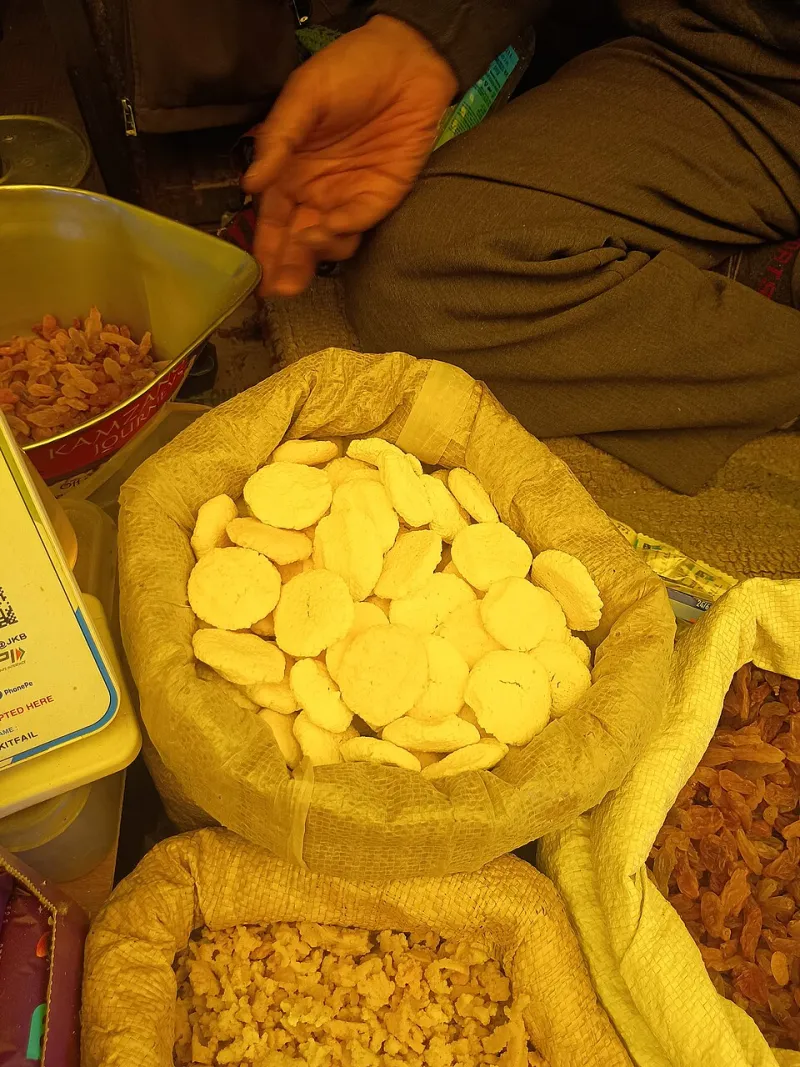
Long before superfoods became a marketing category, the Lepcha people of the Himalayas had cultivated a food culture built on fermentation, native grains, and medicinal plants that modern nutritional science is only beginning to understand. As Western health food movements search for the next transformative ingredient, Lepcha culinary traditions offer something far richer than a trend.